When Is It Art, and When Is It Bullshit?
When Is It Art, and When Is It Bullshit?
Well, if you got this far, you might as well stay with me.
As Paul Harvey used to say:
“And now… the rest of the story.”
Recently, there was a little dust-up in the photography world, and by “dust-up” I mean somebody kicked over the whole darkroom tray.
An AI-colorized version of Ansel Adams’ legendary black-and-white photograph Moonrise, Hernandez, New Mexico was displayed and offered for sale at AIPAD’s The Photography Show by Danziger Gallery. The Ansel Adams Publishing Rights Trust was not amused. According to reports, the Trust said the gallery “exploited Ansel’s name, reputation, and his most iconic image” while failing to identify any human artist responsible for the new version.
Now, here’s where the argument crawls out of the frame and starts walking around the room.
The gallery’s position appears to be that the original photograph is in the public domain and that the AI-colorized version is a creative reinterpretation. James Danziger defended the project as a transformative effort, saying it involved human direction, regeneration, proofing, and Photoshop work over several months.
But the Adams Trust saw it differently. To them, this was not just a harmless experiment. It was a famous artist’s name, reputation, and most recognizable image being used to sell something he never made, never approved, and never intended.
And that brings me to the question:
When is it art, and when is it bullshit?
I am not against AI. I use tools. Photographers have always used tools. Better cameras, better lenses, Photoshop, Lightroom, filters, printers, paper, canvas, metal, dodging, burning, cropping, sharpening. Ansel Adams himself was a master technician. His darkroom was not a confession booth. It was a laboratory.
But there is a difference between using a tool to bring your own vision to life and using a tool to crawl inside someone else’s legacy and start rearranging the furniture.
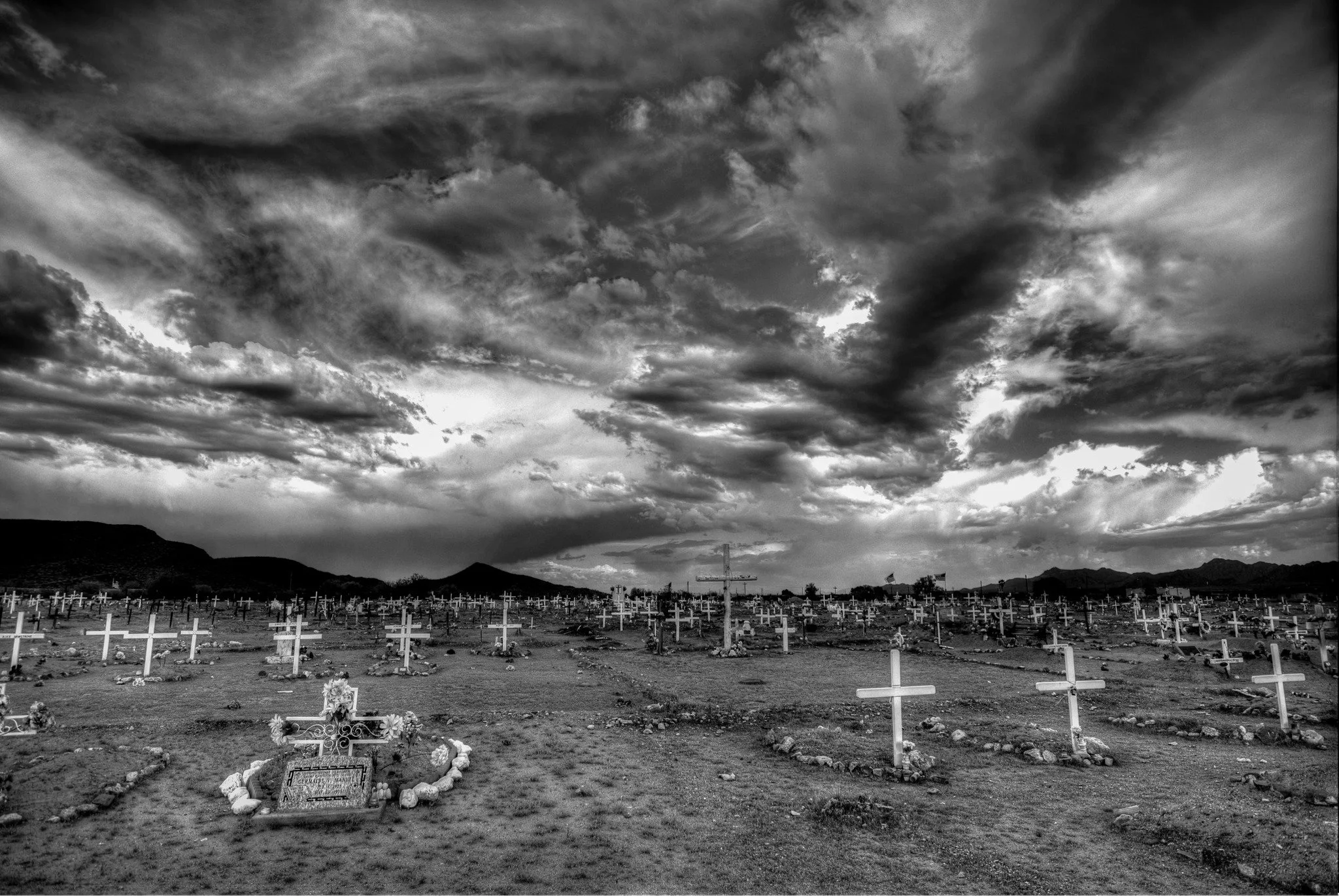
Ansel Adams made Moonrise in black and white for a reason. That darkness, that moon, those glowing crosses, that sharp desert silence. The absence of color is not a missing piece. It is part of the voice.
Colorizing it with AI may be interesting. It may even be technically impressive. But selling it under the gravity of Ansel Adams’ name without clear human authorship feels less like tribute and more like putting a fake mustache on the Mona Lisa and calling yourself a Renaissance man.
Art needs intent.
Art needs responsibility.
Art needs a human fingerprint somewhere in the dust.
AI can help make art. No question. But when AI is used to remix a master’s work for profit, especially without permission from the people entrusted with that legacy, we have wandered into the weeds.
Maybe the real test is simple:
If the artist were standing in the room, would you be proud to explain what you did?
Or would you suddenly get real interested in your shoes?
My thought?
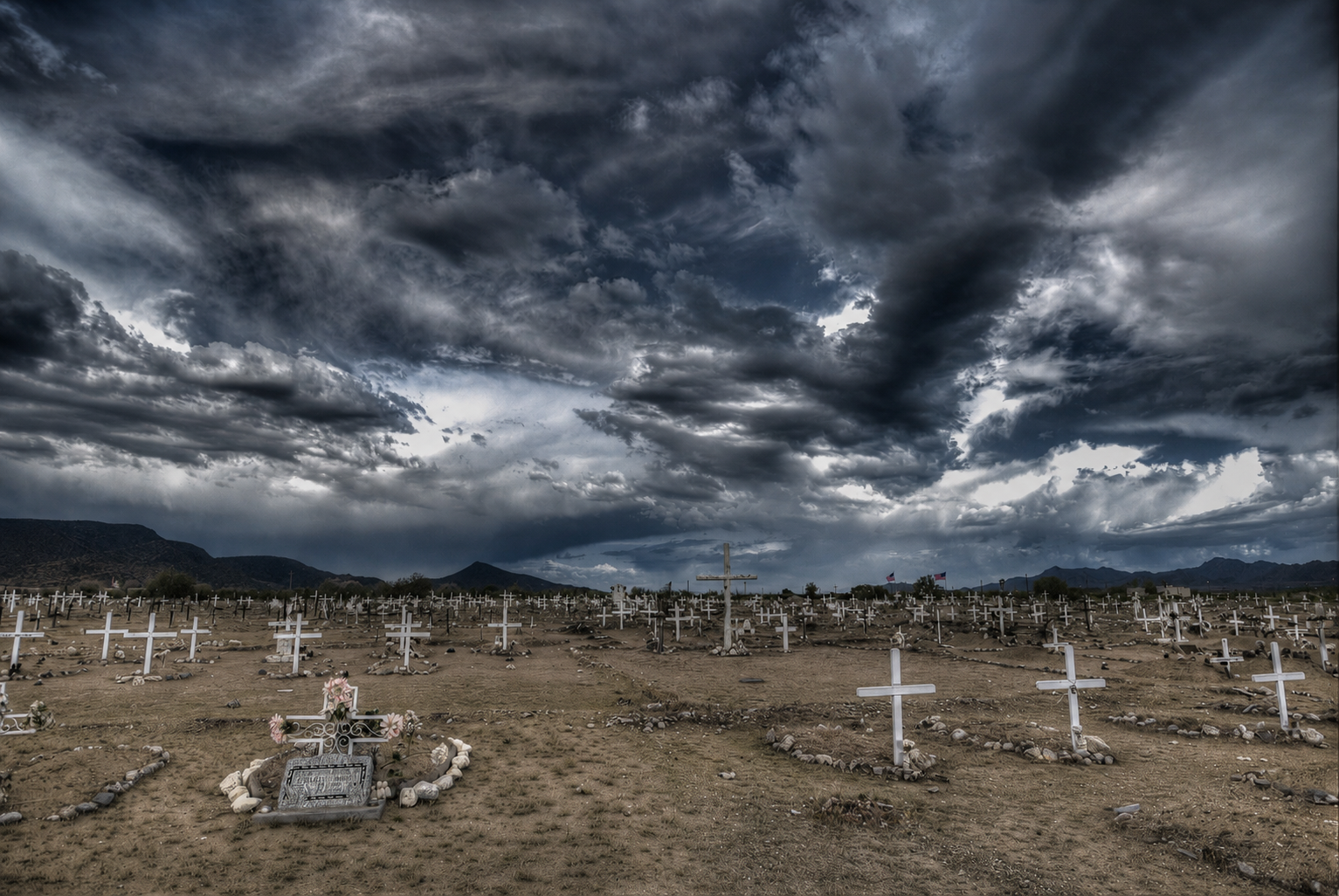
Refering to my two images posted above:
I’ll be honest. The AI version may look nice. It may catch the eye. It may even make someone stop scrolling for a second.
But here’s the problem: the artist didn’t want it in color.
That matters.
Black and white is not unfinished color. It is not a rough draft waiting for a machine to “fix” it. Sometimes the absence of color is the whole damn point. It is mood. It is restraint. It is shadow, shape, silence, grit, and intention.
When an artist creates something a certain way, that choice deserves respect.
So yes, play with your own work. Experiment with your own images. Push buttons, twist knobs, pour the digital whiskey and see what happens.
But leave other artists’ finished work alone.
Because somewhere between “that looks cool” and “I improved it,” we cross a line.
And that line is where art starts smelling like bullshit.